 Just Marrakech
3 days in Marrakech — where do you even start? Here's the itinerary I share with all my travellers: Médina, souks, gardens, hammam and a day trip.
What to take away in 30 seconds
- 3 days in Marrakech is the ideal minimum to see the essentials without rushing.
- Day 1: Médina, souks, Bahia Palace, Saadian Tombs, Jemaa el-Fna in the evening.
- Day 2: Jardin Majorelle, YSL Museum, El Badi Palace, traditional hammam.
- Day 3: a day trip to the Atlas, a dromedary ride through the palmeraie, or a relaxing day at your riad — your call.
- Book Jardin Majorelle online in advance — tickets go fast.
- If strangers approach you in the street to act as your guide, I explain how to navigate that situation smoothly in the tips section.
Before you go: what you need to know about Marrakech
What is the best time to visit Marrakech?
Marrakech can be visited all year round. But not every season feels the same.
Spring (March to May) is my favourite time. Temperatures are mild, between 20 and 28 °C. The gardens are in bloom. The light is perfect for photos.
Autumn (September to November) is just as pleasant. Fewer tourists than in summer, cool evenings, a more relaxed atmosphere.
Summer (June to August) can be very hot — up to 40 °C during the day. If you come at this time, plan visits early in the morning and a rest in the middle of the day. It's perfectly manageable, but it does require some preparation.
Winter (December to February) is often underestimated. Days are sunny and pleasant (15–20 °C). Nights can be cool, even cold. And the city is far less crowded. It's an excellent option if you want to avoid the crowds.
Worth noting if possible: Ramadan can affect some services (restaurants closed during the day, reduced opening hours at museums). But it's also a wonderful time to experience Marrakech from the inside, if you're curious.
How do you get around the city?
Marrakech is best experienced on foot. The Médina is pedestrianised; the lanes are too narrow for cars. Your legs will be your best tool.
For getting between the Médina and Guéliz (the modern district), here are your options:
- Petit taxi (red) — 20 to 50 MAD depending on the journey: quick and practical.
- Calèche — 100 to 200 MAD per hour: romantic, touristy.
- Bicycle or scooter rental — 100 to 200 MAD per day: total freedom.
- On foot — free: the best way to discover the city.
My advice: always agree on the taxi fare before you get in. And if the driver won't use the meter, fix the price in advance. That's just how it works here.
How many days do you really need to visit Marrakech?
That's the question everyone asks me. And my honest answer is: it depends on your pace.
- 2 days: you'll see the highlights, but in a rush. Not ideal.
- 3 days: the perfect format. You have time to get lost in the souks, sip mint tea without watching the clock, and fit in a day trip.
- 4 to 5 days: if you want to explore the surrounding area (Essaouira, Ouarzazate, the Merzouga dunes), even better.
For a first trip, 3 days in Marrakech remains the ideal length. That's what I recommend to 90% of the people who get in touch with me.
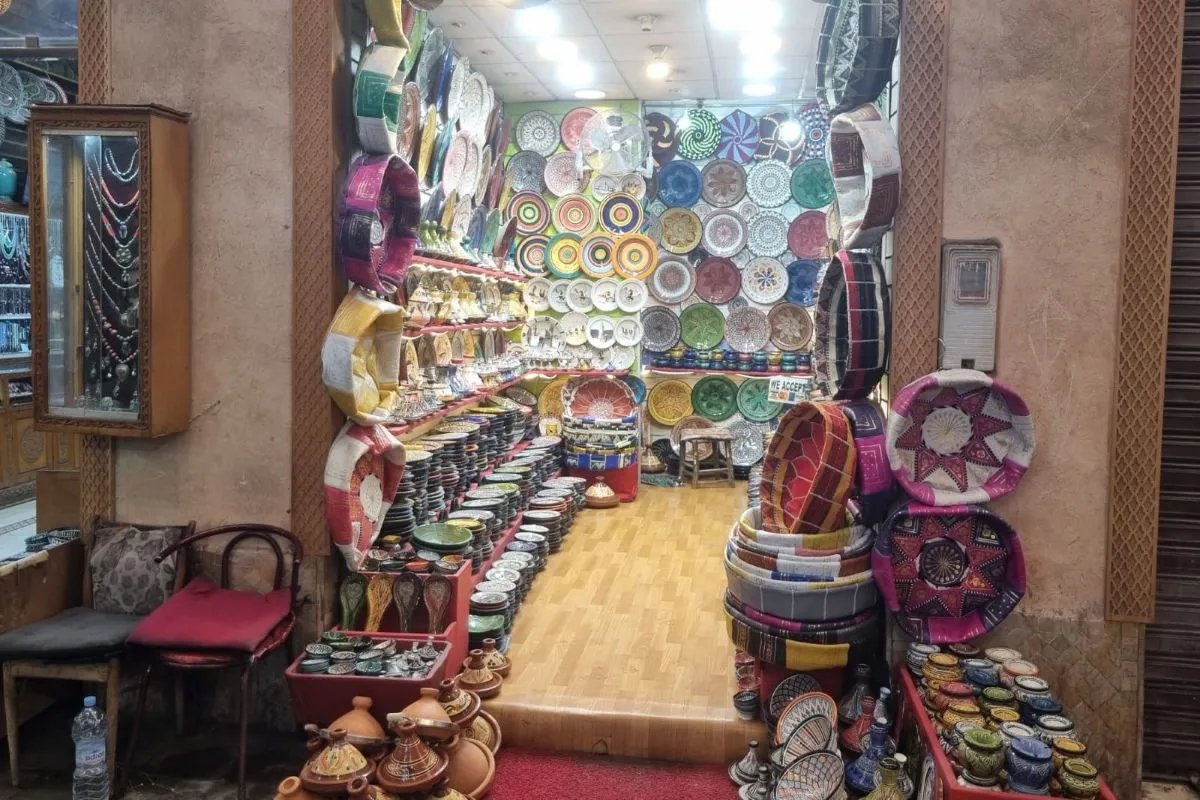
Day 1: The Médina, the souks and Jemaa el-Fna
Morning: dive into the Médina and the souks
Start early. Before 9 am if possible.
At that hour, the souks are still quiet. The morning light filters through the woven wooden rooftops. Artisans are opening their stalls. It's magical.
Where to begin? Enter the Médina via Jemaa el-Fna and head towards the covered souks to the north. You'll pass through several specialist quarters:
- The dyers' souk (Souk Semmarine): spices, colours, aromas.
- The babouche souk: hundreds of pairs of slippers stacked to the ceiling.
- The coppersmiths' souk: the sound of hammered metal, copper lanterns.
- The carpet souk: take your time and browse without hurrying.
My local tip: if you really want to get lost — and that's exactly what you should do — turn off Google Maps for 30 minutes. The Médina is a labyrinth, but it's not that big. You'll always find your way back. And it's in those forgotten alleyways that you'll discover the real hidden gems.
Afternoon: Bahia Palace and the Saadian Tombs
After lunch at a restaurant in the Médina, head to the historical monuments.
Bahia Palace is a 10-minute walk from Jemaa el-Fna. It's a 19th-century palace built for a grand vizier. The patios, the zellige tilework, the painted wooden ceilings… it's a visual knockout.
- Opening hours: 9:00 am – 5:00 pm (every day)
- Adult admission: ~70 MAD
- Children (under 12): free
- Visit duration: 45 min to 1 hour
Then, a 15-minute walk away, the Saadian Tombs. These are the mausoleums of the Saadian dynasty, rediscovered by chance in 1917. The interior is of incredible refinement — marble stelae, stucco arabesques. Arrive early in the afternoon to enjoy the space comfortably.
- Opening hours: 9:00 am – 5:00 pm (every day)
- Adult (foreign) admission: 100 MAD
- Child admission (7–13 years): 50 MAD
- Visit duration: 30 to 45 min
My advice: combine both in a single afternoon. They're close to each other and complement each other perfectly.

Evening: the one-of-a-kind atmosphere of Jemaa el-Fna
Head back to Jemaa el-Fna around 6 pm. The transformation is spectacular.
During the day it's a fairly empty open square. In the evening, it becomes an open-air theatre. Dozens of food stalls set up. Gnaoua musicians play until midnight. Storytellers, fire-breathers, snake charmers…
Eat on the square. Yes, it's touristy. Yes, the vendors are insistent. But the atmosphere is absolutely worth it. Order brochettes, harira (Moroccan soup), snails if you're feeling adventurous.
My tip: check the menu and the price before you sit down. And if a vendor takes your photo with their monkey or snake, know that they will ask for money afterwards.
End the evening on a rooftop terrace overlooking the square. Order a mint tea. Watch. This is when Marrakech truly reveals itself.
Day 2: Gardens, palaces and hammam
Morning: Jardin Majorelle and the YSL Museum
Book your tickets online before you arrive. I'm repeating this because it really matters. Jardin Majorelle is one of the most visited sites in Morocco. Without a booking, you could wait an hour or two at the entrance — or not get in at all during peak season.
The garden opens at 8:30 am. Be there at opening time. It's calmer, the light is beautiful, and you truly get to enjoy the space.
What is it? An exceptional botanical garden, created by painter Jacques Majorelle in the 1920s, then bought and restored by Yves Saint Laurent and Pierre Bergé in 1980. The cobalt blue of the walls — the "Majorelle blue" — has become iconic.
- Opening hours: 8:30 am – 6:00 pm (last entry 5:30 pm)
- Adult admission (garden only): 150–170 MAD
- Moroccan residents: 75 MAD
- Children (under 10): free
- Booking: online booking required (official website)
Right next door, the Yves Saint Laurent Museum is a must if you're drawn to fashion or design. The building's architecture is already a work of art in itself. The collections trace 40 years of the couturier's work, deeply inspired by Morocco.
- Opening hours: 10:00 am – 6:00 pm (closed on Wednesdays)
- Adult admission: 140 MAD
- Children (under 10): free
- Visit duration: 1 hour to 1 hour 30 min
My advice: allow 2.5 to 3 hours for both. Then have lunch in the Guéliz neighbourhood — Marrakech's modern district, with great restaurants and a more relaxed atmosphere than the Médina.
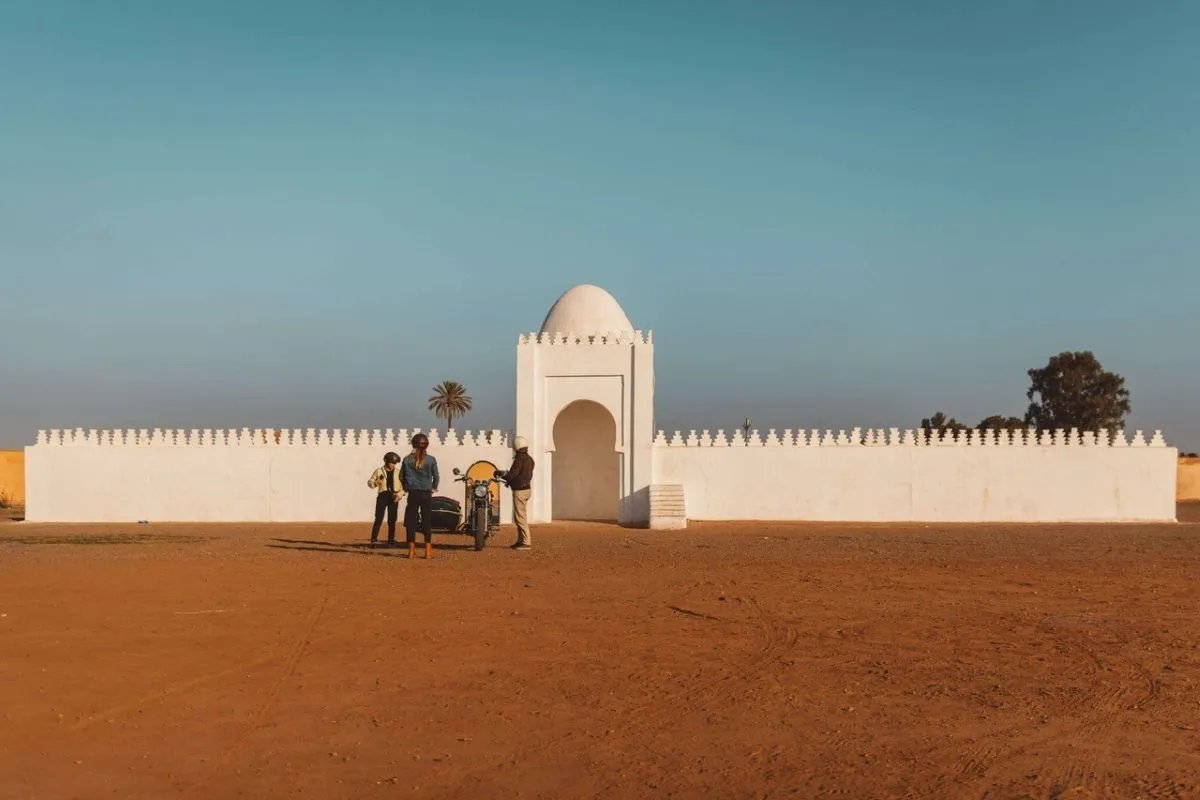
Afternoon: El Badi Palace and the Secret Garden
Back to the Médina for the afternoon.
El Badi Palace is the opposite of Jardin Majorelle — in spirit as much as in geography. Where Majorelle is lush and colourful, El Badi is austere and grand. This 16th-century palace was once one of the most beautiful in the world. Today only the ruins remain. But these ruins have something hypnotic about them.
Climb up onto the ramparts for a panoramic view over the Médina and the Atlas mountains in the background. It's one of my favourite views in all of Marrakech.
Then, if you still have energy, make a detour to the Secret Garden (Jnane Laaroussa), in the heart of the Médina. It's a 16th-century riad-garden, carefully restored. Less well known than Majorelle, so less crowded. And just as beautiful.
Evening: a proper traditional hammam
No fancy restaurant tonight. Tonight, you go to the hammam.
Good to know: there are hammams designed for tourists (with massage, argan oil, spa atmosphere) and neighbourhood hammams, the ones Marrakchis actually use. I recommend both depending on what you're looking for — but if you want a truly authentic experience, go to a neighbourhood hammam.
How does it work? You arrive, pay a modest sum (20 to 50 MAD), and you're given a bucket and a kessa (the exfoliating glove). You move through the different rooms — cold, warm, hot. An attendant can scrub your back if you ask. You come out feeling brand new.
My advice: ask your riad to recommend the nearest neighbourhood hammam. They all know the good ones. And if you'd prefer a more comfortable hammam with a full package (scrub + beldi soap + massage), there are excellent options in the Médina and in Guéliz — budget between 200 and 400 MAD for a full package.
After the hammam, have dinner at a Médina restaurant. Tonight, you've earned a good table.
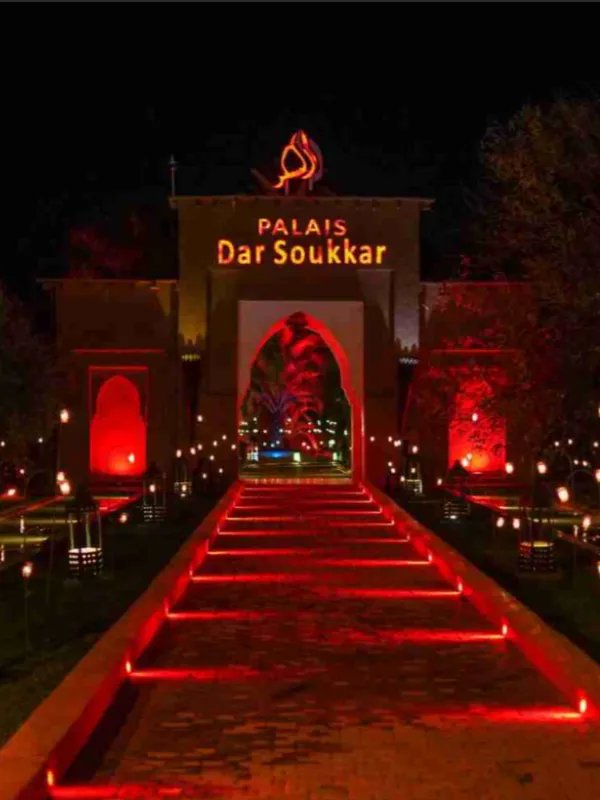
Day 3: Day trip or relaxation — your call
The third day is yours. Depending on your energy and mood, you have three very different options.
Option A: a day trip to the Atlas Mountains or the Ourika Valley
This is my favourite option for travellers who want to get out of the city.
The Ourika Valley is just 1 hour's drive from Marrakech. You pass through Berber villages, saffron fields, terraced gardens. At the end of the road, the Ourika waterfalls — an easy walk, accessible to everyone.
The Atlas Mountains offer breathtaking landscapes. If you want to go further, the village of Imlil is the starting point for hikes towards Jbel Toubkal — the highest peak in North Africa (4,167 m).
My advice: book a private driver for the day. It's far more comfortable than a tourist bus, and you can stop wherever you like. Budget between 400 and 600 MAD for a private return transfer.
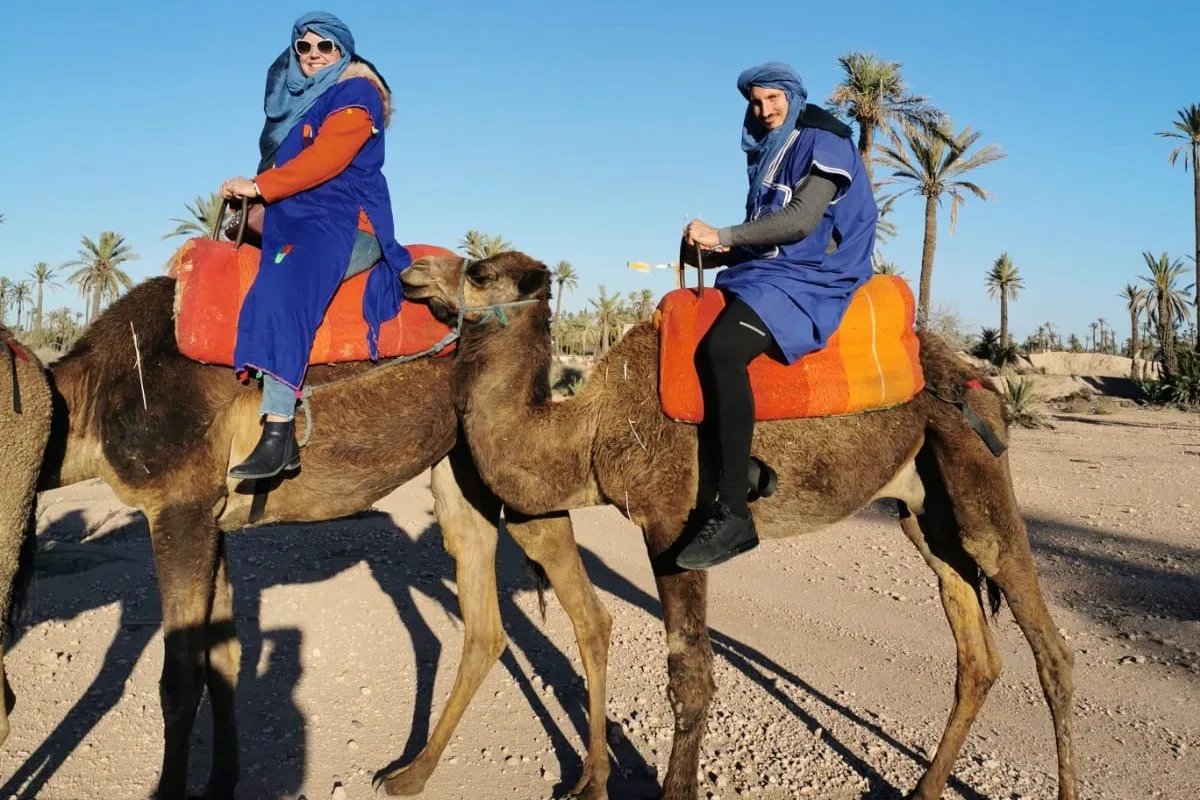
Option B: a dromedary ride through the palmeraie
For those who want an iconic experience without going too far.
Marrakech's palmeraie stretches to the north of the city. It's a 13,000-hectare oasis with thousands of palm trees. A dromedary ride at sunset is an image that stays with you.
- Duration: 1 to 2 hours depending on the package chosen.
- Indicative price: 150 to 300 MAD per person for one hour.
My advice: book through your riad or a recommended provider. The level of care given to the animals varies considerably between operators.
Option C: a restful day at your riad
For those who need to breathe.
Marrakech is intense. The souks, the sounds, the smells, the heat… After two full-on days, some travellers simply need to slow down.
And honestly? It's a great option. A good riad is a haven of peace. A rooftop terrace with views over the rooftops, a patio with a fountain, a Moroccan breakfast that stretches lazily towards midday… Take the time to read, to book a massage at your riad, to wander through the nearby lanes with no agenda.
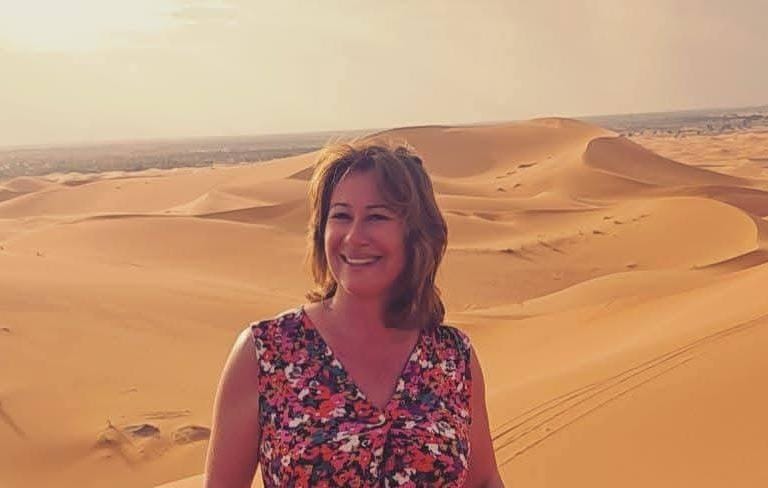
Céline, your host in Marrakech
A local guide for 10 years, I take travellers from around the world on a journey of discovery through Marrakech — its secrets, its addresses and its authentic experiences.
Frequently asked questions
Plan your stay in Marrakech
Want to live this experience?
Discover our hand-picked activities and organise your experience in Marrakech with Just Marrakech.